
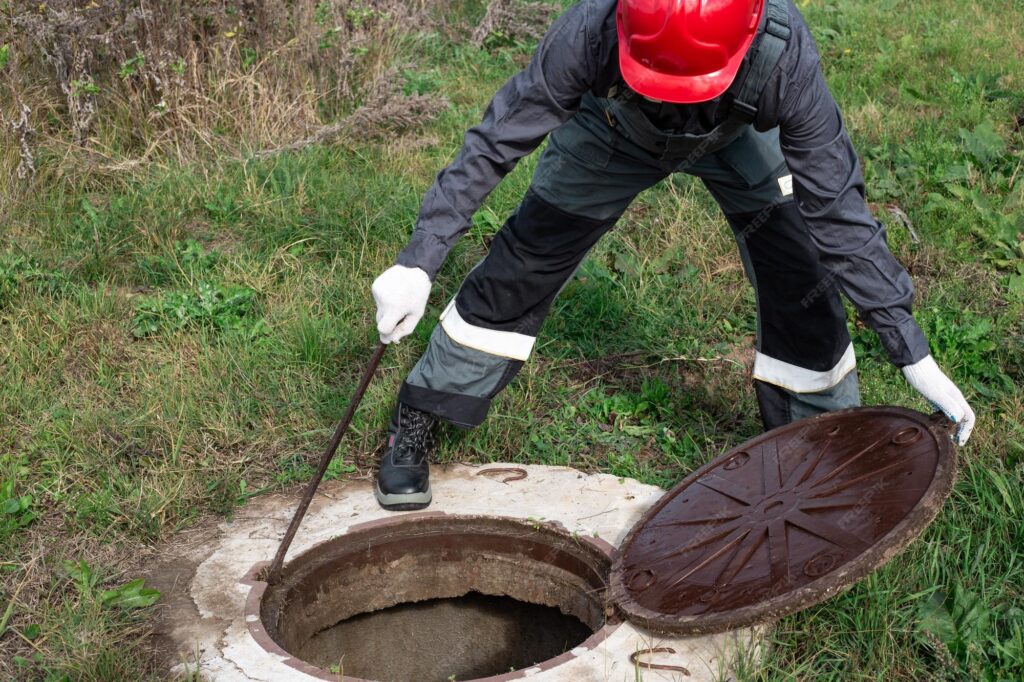
Most of us have been there. You walk into a room or step outside and catch a strange, lingering smell you can’t quite place. It might be something faint, or it could be strong enough to stop you in your tracks. Around this time of year, especially after fall rains or cooler weather changes how air moves around the house, smells can drift in and build up before you realize it. Gas and sewage odors can be surprisingly similar, which makes it hard to figure out what you’re dealing with at first.
That’s why it’s important to know what steps to take right away. Spotting the difference matters. A delay can turn into a bigger problem if it’s related to a leak or buildup. If it turns out the odor is from a plumbing issue, sewage cleanup services may be needed fast to keep your home safe and clean. Let’s take a closer look at what that smell might be and what you should (and shouldn’t) do next.
What That Smell Could Mean
Gas and sewage odors may seem alike at first, but they come from different places, and both can bring risks.
• A natural gas leak often smells like sulfur or rotten eggs. Utility companies add that odor to help people notice when there’s a leak. It’s not a scent that comes from gas by itself.
• Sewage odors are a little more varied. They tend to smell earthy, damp, or like rotting materials. You might notice the smell near drains, basements, crawl spaces, or even outside around plumbing lines.
• Outside, both smells can collect near vents or low areas where air doesn’t move freely, especially after it rains.
Even if you’re not completely sure what you’re smelling, these odors should never be ignored. If something smells off, whether it’s sharp like gas or heavy like sewage, it’s worth taking seriously. Our noses are often the first warning sign that something isn’t right.
First Things To Do When You Notice a Strong Odor
If you smell something that feels out of place, there are a few important steps to take right away, especially if the odor is strong and makes it hard to breathe.
1. Leave the area if the smell is intense or causes any chest tightness, dizziness, or coughing. Fresh air should always be the first step if there’s a chance the smell is from gas or sewage.
2. Don’t open flames or light matches. Even flipping on a light switch can create a spark that might be dangerous if gas is the source.
3. Avoid running fans or trying to ventilate the space until a professional checks things over. Air movement can carry fumes through the house in ways you don’t expect.
4. Don’t try to find the exact source right away. Some leaks or sewage issues are hidden behind drywall or underground where poking around could make things worse.
5. Call for help from people trained to handle these situations safely. Whether it’s your gas utility or an emergency plumber, taking action early reduces the risks.
The sooner experts can take a look, the less likely the problem will grow into something larger and harder to manage.
When It’s Sewage: What Causes It and What Comes Next
Sewage smells don’t disappear on their own. Most times, there’s a reason they show up, especially during late fall as the weather shifts and homes stay closed up more often.
• Backed-up sewer lines are a top reason for that telltale smell. These backups can send dirty water back into your home through sinks, showers, or drains.
• Flooded drains or storm runoff can push contaminated water into places it shouldn’t go. Fall rain followed by still, cool air makes that water stick around longer.
• Dry drain traps are another common issue. If a sink or shower isn’t used for a while, the water in the trap may dry out, letting sewer gases rise up into the house.
• Older plumbing can allow small leaks or cracks that leak gas into walls or floors over time without any water leaking out.
When sewage leaks or backups happen, they do more than smell bad, they bring bacteria and moisture that can harm your health and damage your home’s structure. It doesn’t take long for something small to turn into stains, warped walls, or mold creeping into new corners. That’s why it’s better to have the area checked and cleaned thoroughly by someone who handles this kind of damage every day.
Why Professional Help Is the Safe Move
When something smells off, it’s tempting to try and take care of things quickly. But with gas or sewage, it’s risky and often makes more problems than it solves.
• Cleanup crews are trained to figure out where the problem started and how far it may have spread. Most people only deal with these issues once or twice in their lives. Dependable cleanups happen faster when workers know what they’re looking for.
• Protective gear matters. Whether it’s gloves, masks, or special vacuums, the right tools help stop harmful particles from spreading during cleanup.
• Using professional sewage cleanup services helps cut down on that lingering odor after an incident. It’s easy for smells to cling to carpets, floorboards, or ductwork if they’re not treated correctly the first time.
• Acting early keeps future costs and headaches lower. Waiting too long often means repeat cleanups, extra repairs, or long-term air quality issues that affect everyone in the home.
At SoCal Best Restoration, we use EPA-registered disinfectants and follow IICRC safety protocols for sewage cleanup, offering 24/7 service throughout Orange County and Southern California to ensure homes get back to normal quickly and safely.
The truth is, smells can fade temporarily even when the waste or leak is still there. That’s why a professional look early on often saves time, stress, and discomfort in the weeks that follow.
Stay Safe and Know What to Watch For
Not every bad smell means an emergency, but some warning signs are too risky to ignore, especially during cooler months when homes don’t get the same airflow as they do in summer.
• A rotten egg or sewer smell that sticks around for more than a few minutes indoors is a red flag.
• Wet spots forming near baseboards, drains, or household vents without a clear source should be checked for waste leaks.
• Hearing bubbling from drains, seeing slow flushing toilets, or noticing water backing up in the shower all point to plumbing under stress.
• After big storms, keep an eye out for strong outdoor smells as water drains slowly away. This may be the first hint of an underground or venting issue.
When cooler weather makes us spend more time inside, indoor air matters even more. Staying alert to smells, changes in air quality, or unusual sounds in your pipes is a simple way to stay ahead of problems that could grow.
A strange smell is more than just an inconvenience, it’s a warning. Whether it’s gas, sewage, or something in between, your home should never feel like a question mark. We trust our senses for a reason, and when something is off, it usually means we need to pay closer attention. By acting quickly and watching for signs before they build up, we can keep homes safer, cleaner, and easier to live in, no matter what the weather brings.
Backup and odor problems tend to worsen as fall approaches, making them tougher to identify until they’ve spread. Address sewage issues promptly to protect your home and loved ones. Our sewage cleanup services are designed to prevent further damage and quickly restore comfort. Contact SoCal Best Restoration today and let us help you find the right solution for your situation.