
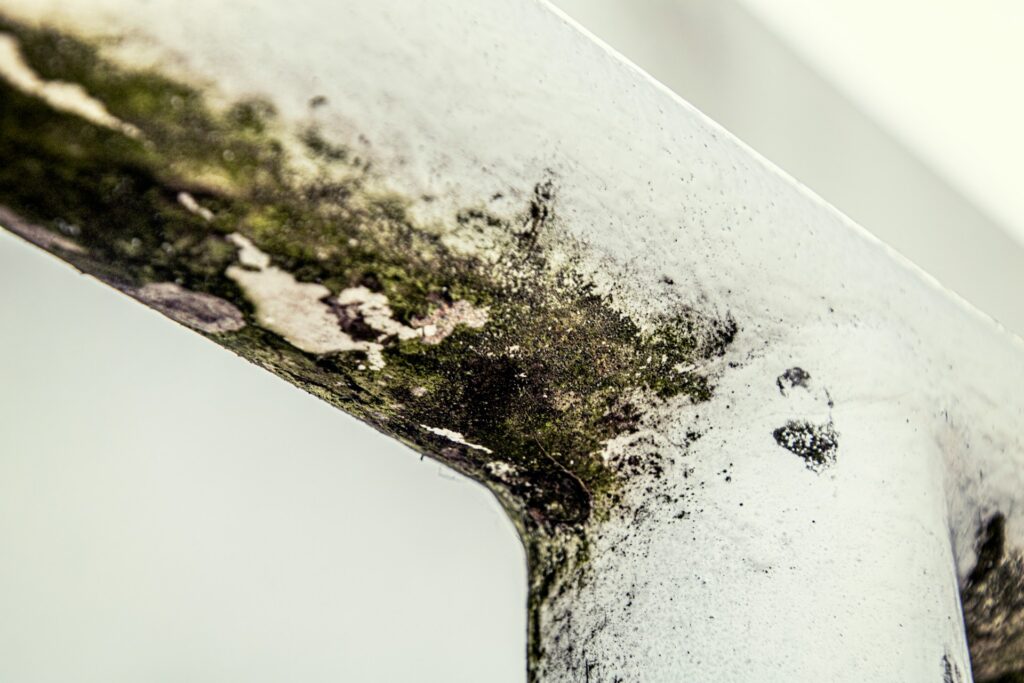
When airflow in a home isn’t moving the way it should, mold has an easier time sticking around. Tight spaces like corners, closets, and closed-off areas can trap moisture, especially when the air doesn’t circulate well. Once mold starts growing in those quiet spots, it can outlast most basic cleanups.
This gets worse in the fall as temperatures start to cool. In Southern California, we may not deal with snow or freezing weather, but November still brings cooler days and longer nights. Homes are more likely to be sealed up to hold in warmth, and when windows stay closed, indoor air has fewer routes to escape or move. All of this creates a comfortable place for mold to spread. That’s one reason why mold damage remediation often becomes necessary when surface cleaning doesn’t fix the root problem.
Why Poor Air Movement Feeds Mold Growth
Mold doesn’t need much to settle in. It just likes darkness, moisture, and still air. When there’s no breeze or ventilation, dampness lasts longer than it should, and that’s when mold gets stronger.
• Tiny leaks from plumbing or appliances can go unnoticed in tight spaces
• Spots like under sinks, crowded laundry rooms, or behind furniture often stay damp
• Without air movement, everyday humidity from cooking or hot showers gets trapped
We often find the worst mold in places that aren’t visited often. Places like storage corners, pantries, or the backs of cabinets are easy to forget about, and harder to dry out. When airflow improves, moisture has a better chance to move along and exit the space, but without it, moisture just sits and spreads mold deeper into wood, drywall, and insulation.
Hidden Mold That Never Really Goes Away
One thing we’ve learned is that mold doesn’t just stay on the surface. Even if it gets cleaned up, the deeper parts of a wall, ceiling, or floor might still hold trapped moisture that lets the mold stick around.
• Areas behind couches, shelving, or under rugs can hide mold long after the source is gone
• Crawl spaces and wall cavities invite slow-growing mold where airflow can’t reach
• Some sections may smell better for a while, but the root issue is still buried under the surface
We’ve seen cases where families clean an area and feel like the mold issue is gone, only to have it show back up a few weeks later. This usually happens when the drying process didn’t reach all the way through. Some surfaces absorb dampness and hold onto it unless special tools are used to fully dry them. Without that, it’s easy for mold to rebuild from the inside out.
How Cooler Fall Weather Slows Drying
November brings more than just shorter days in Southern California. It’s also the time of year when homes start to hold their indoor temperature a little more carefully. That means fewer people are leaving windows open, and AC systems shift over to heating or simply get turned off. What people often don’t think about is how that affects indoor air movement.
• Sealed windows reduce fresh airflow, leaving damp air stuck inside
• Upstairs rooms often feel warmer but may get less overall ventilation
• Quiet, unused rooms hold moisture longer because the air isn’t circulating enough
Moisture from earlier in the year, whether from summer humidity or a past spill, may still hide out in floors or walls. Once the weather cools, that dampness might stop drying on its own. In fact, it can get worse, because heavier indoor air can hold onto that water longer. Poor airflow means less evaporation, and that sets the stage for mold to regrow.
Signs of Mold That Keep Showing Up
It can be easy to ignore a faint smell or a tiny stain, but these are usually signs the mold isn’t done. If we don’t keep an eye on recurring signs, we risk letting mold get a strong grip again.
• A musty or earthy smell that lingers, even after cleaning
• Small dark spots on ceilings or walls that reappear after disappearing
• Family members coughing or sneezing more often upstairs or in one part of the house
These signals often point to mold hiding below the surface. Smells tend to hang around longer in rooms that don’t get used or aired out daily. When stains return no matter how many times they’re scrubbed, that often means water is still feeding the mold from inside the wall.
When to Look Into Inspection or Help
Cleaning the same area over and over gets frustrating. When that mold won’t stop coming back, it might mean the problem isn’t only what we see on the surface. That’s when getting help makes sense.
We use mold damage remediation when normal cleaning isn’t enough and moisture has traveled behind walls, below floors, or into insulation. These spots often don’t dry on their own, especially in homes with poor air circulation. Some homes across Southern California still have old water damage that looks dry but holds onto moisture in hidden areas. Vents, crawl spaces, and closets can keep that trapped air in longer than many people realize.
A full check can help spot those pockets of mold and point to areas where air needs to move better or building materials need further drying.
Keeping Mold from Spreading Further This Season
As the weather cools down, homes tend to stay sealed up more. That reduced airflow gives mold more chances to hide and grow in places we don’t see every day. Even though it’s not wet season, moisture left behind earlier in the year becomes easier to overlook once daily routines shift inside.
Poor air circulation, darker corners, and forgotten places inside the walls can all play a part. If stains show up again and smells return no matter what you clean, take some time to check for hidden moisture. Fall is when mold likes to hold on, and it often starts in homes that feel totally dry to the touch. Looking for it early can help stop the damage from getting worse.
If you’re struggling with stubborn mold that just won’t quit, it’s time to call in the experts at SoCal Best Restoration. Our comprehensive mold damage remediation solutions tackle hidden moisture and persistent mold at its source, ensuring a healthier home environment. Don’t let poor airflow and unseen dampness compromise your living space. Reach out today for a thorough inspection and breathe easier tomorrow.