
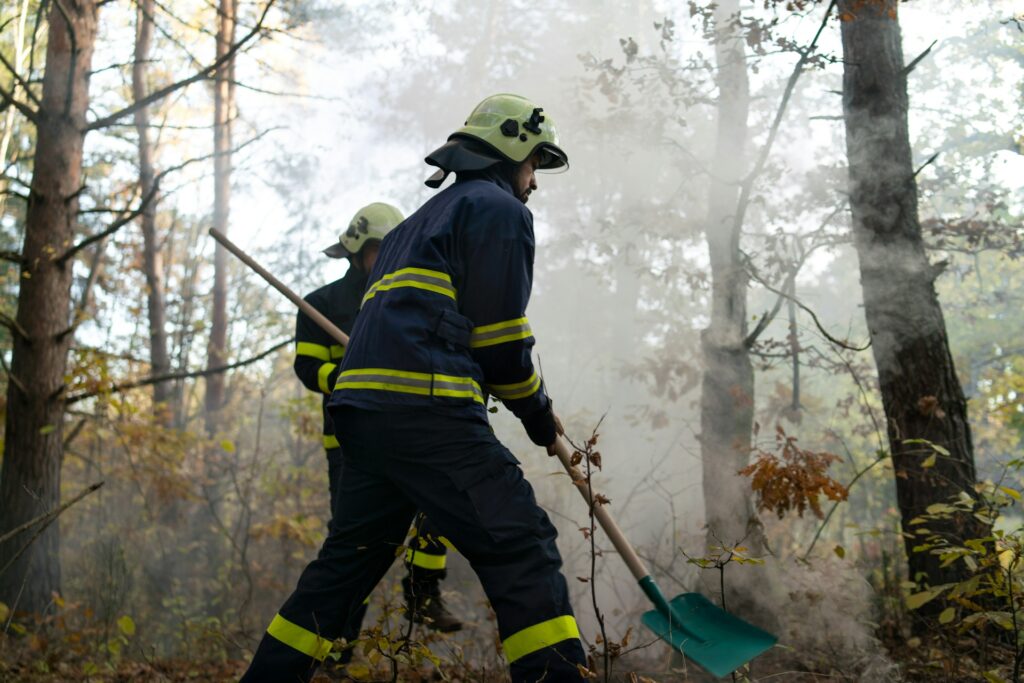
Smoke from a wildfire can cause a lot of problems, even when flames never touch your property. If you’ve lived through a fire season in Southern California, you know the smoke can creep into places you would never expect. The difference between wildfire smoke and smoke from something like burnt food or a candle is big. It gets into the air system, clings to everything, and lingers long after skies clear. That’s why smoke damage restoration matters just as much as fire cleanup, maybe even more once the flames are out.
We understand it can be frustrating when your home looks fine on the surface but still smells like smoke weeks later. It’s not your imagination. The cleanup job is just different when it comes to wildfire smoke, and knowing what sets it apart can help you figure out what steps should come next.
Why Wildfire Smoke Sticks Around
Wildfire smoke is full of fine particles. These tiny pieces float through the air and settle into carpets, curtains, and couches. They don’t just land on the surface, they work their way inside.
Once inside, smoke smell can become locked into materials. Even when rooms are aired out and the air seems clean, the odor can come back. Walls, ductwork, and insulation hold onto that smell much longer than you might expect.
What makes it harder is how quickly outdoor smoke gets inside. It slips through small gaps, open vents, and older windows. Once it’s in, it spreads throughout the house, staying behind even long after the fire is under control.
What Makes Wildfire Residue Harder to Clean
Not all smoke is created equal. Wildfire smoke doesn’t behave the same as smoke from a stovetop fire or fireplace. That’s partly because wildfires burn through so many different things, like wood, plastic, paint, and metals. That mix creates sticky, dark soot that clings to what it touches.
With indoor smoke, cleanup might just mean airing things out and wiping a few surfaces. With wildfire residue, the particles hang in the air longer and settle deeper into materials. Trying to clean it with common household tools often just moves it around or pushes it deeper. That’s a big reason the smoke smell will not go away, no matter how many times you clean.
Hidden Trouble Spots People Often Miss
There are places inside a home where wildfire smoke hides that most people do not think to check. These areas do not always show visible signs at first, but they can cause long-term problems.
• HVAC systems and ducts can trap smoke and recirculate it into every room
• Attics and crawl spaces pick up smoke without obvious signs of damage
• Upholstered furniture, mattresses, and rugs soak up smoke like a sponge
• Smoke particles can settle behind drywall, especially if walls are not sealed well
These hidden spots can make it feel like the damage keeps coming back. Odors might fade for a while, but then return when temperatures change or the heater turns on. If left alone, the damage can spread quietly, damaging materials and lowering air quality.
The Health Problem Most People Don’t Expect
Smoke damage is not just about how things look or smell. It can affect how the air inside your home feels when you breathe it. The fine particles from wildfire smoke can stay in the air and trigger breathing problems, especially for people with asthma, allergies, or sensitive lungs.
We’ve seen how smoke in the air can quietly impact a family’s comfort well after fire season ends. Even if everything looks normal, people may find themselves coughing more, feeling stuffy, or waking up with headaches.
That’s one reason why proper smoke damage restoration is so important. Getting rid of the smell is only part of the job. The smoke that you cannot see causes the most trouble, the kind trapped deep in your home’s structure or floating in the air.
Not Just a Deep Clean: Why Smoke Needs Special Handling
Cleaning up wildfire smoke takes more than opening windows and spraying air freshener. The methods used for everyday cleaning just are not enough because wildfire soot behaves differently. It gets sticky, acidic, and it spreads fast.
Smoke damage restoration involves steps that reach the places normal cleaning does not. These might include:
• Air scrubbing machines that trap leftover particles
• Sealing surfaces that absorbed smoke to block future odors
• Cleaning inside air systems to stop circulation of smoky air
Some materials just cannot be fully cleaned with surface efforts. That is why removing smoke at its source and neutralizing what is left behind is so important. It is not just about getting homes to smell clean. It is about helping the air stay safe and healthy through cooler months when homes stay closed up.
Getting Ahead of Smoke Season’s Aftermath
Wildfire season can leave more behind than scorched plants and hazy skies. Inside our homes, smoke makes itself at home in ways that are easy to miss. It works its way into tight spaces, soft materials, and hidden structures, hanging around longer than we think.
Cleaning smoke from wildfire season is not like wiping up spills or everyday dust. It takes deeper checks to find the damage and real tools to remove what is left behind. This is especially true heading into late fall, when breezes pick up and homes stay shut to keep heat in.
Take Action for Stronger Smoke Cleanup
Now that the fires have passed and skies are clearer, this is the time to check what the smoke might have left behind. You may not smell it every day, but that does not mean it is gone. Professional smoke damage restoration, like that offered by SoCal Best Restoration, uses advanced cleaning technology and HEPA filtration to remove soot and odors from surfaces and HVAC systems in homes and businesses across Orange County. Our emergency response team works 24/7, which is essential when dealing with stubborn post-wildfire smoke damage.
If you’re struggling with lingering smoke smells or suspect deeper smoke infiltration in your home after wildfire season, it’s time to act. Don’t let hidden smoke particles disrupt your comfort or health. Trust SoCal Best Restoration for expert smoke damage restoration to address those stubborn, unseen issues effectively. Our specialized techniques dive deep into your home’s surfaces, ensuring your environment is fresh, clean, and safe once again.