
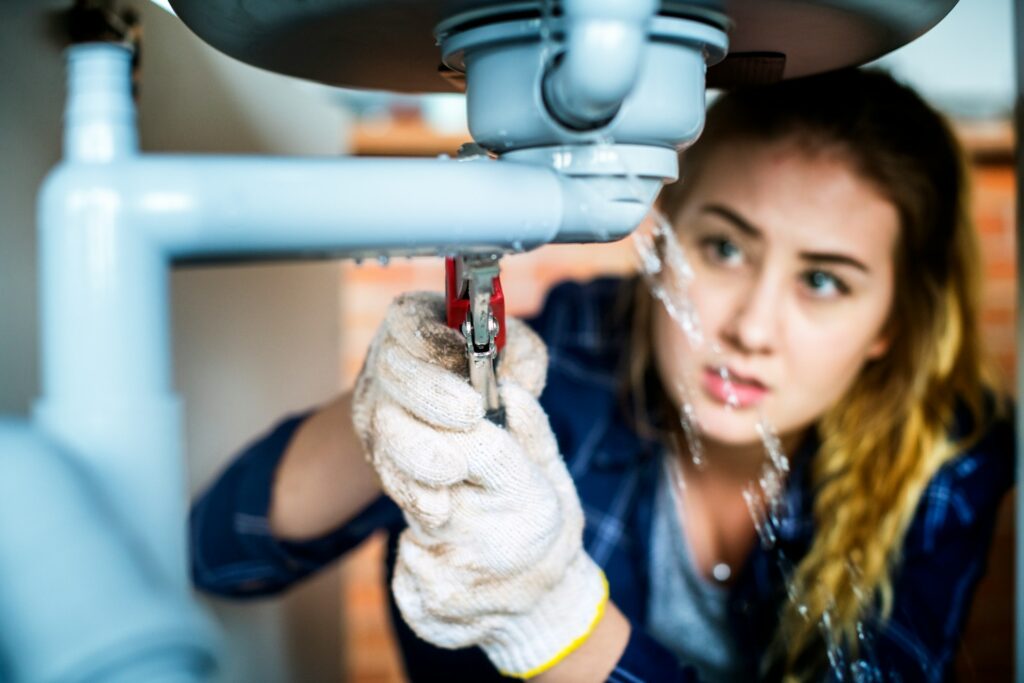
Appliance leaks might seem like no big deal, especially when it looks like cleanup was quick and nothing broke. But we often see these types of leaks come back to haunt homes weeks or months later. The moisture they leave behind doesn’t always dry out the way it should, and that’s when a small issue turns into ongoing damage.
Water that sneaks into hidden spaces can linger long after you think the problem is gone. And unless the area is dried completely and checked all the way through, it becomes easy for damage to keep showing up. That’s where water damage restoration can make a big difference. Let’s look at why this type of damage sticks around and what warning signs to pay attention to before winter rolls in.
When Appliance Leaks Seem Fixed but Aren’t
Some of the most common trouble spots are near everyday appliances like dishwashers, washing machines, and refrigerators. A small leak, even one that doesn’t soak the entire floor, can still cause lasting issues if water gets into hard-to-see areas.
• Water often gets trapped under flooring, behind baseboards, or deep in walls
• Quick surface drying doesn’t reach what’s underneath or behind damaged areas
• Hidden trouble spots include under cabinets, under the fridge or washer, or inside walls where water hoses connect
The problem is, once that moisture settles in, it doesn’t always leave on its own. Standard cleaning or letting things air out isn’t enough if water has soaked into materials like wood or drywall. These places are out of sight and don’t always feel wet to the touch, which makes the damage easy to overlook.
Lingering Moisture That Causes New Damage
When something feels dry, it’s easy to move on. But one of the biggest issues with appliance leaks is that moisture can hide in places that don’t show damage right away. The surface looks fine, but deeper down, materials may still be holding water.
• Drywall and insulation can trap dampness that spreads slowly
• Damp subfloors or cabinets may grow weaker over time without visible warning
• Water that never fully dried can keep creating soft spots or allow mold growth later
We’ve seen many cases where homes go several weeks without any signs of trouble, only to have new issues pop up suddenly. That’s usually not “new” water. It’s just the result of older moisture finding a way to keep moving through the home. If that same spot leaks again, the damage can double fast.
Warning Signs That Keep Popping Up
Spotting water damage isn’t always easy. A soaking wet floor or burst hose is hard to miss, but the damage that leaks leave behind tends to sneak in slower. The longer water sits unnoticed, the more likely it is to leave clues around the home.
• Musty smells, especially near baseboards or in closed cabinets
• Soft or spongy spots in flooring near appliances
• Paint that bubbles, cracks, or peels away from the wall
• Cabinets or drawers that warp or stick when opening
When these kinds of signs appear where an appliance leaked before, it’s a red flag. Just cleaning them up or covering them with paint doesn’t solve the real problem. These clues often mean that deeper damage is still working its way through the walls, floors, or joints.
How Seasons and Temperatures Make It Worse
With fall settling in, Southern California’s weather starts to cool just enough to impact how water behaves inside a home. It’s easier to ignore signs of damage when outdoor temperatures feel mild, but that’s exactly when slow leaks tend to spread.
• Cooler temperatures can slow evaporation, which leaves water trapped longer
• Indoor heating can pull hidden moisture through vents or cracks in walls
• Seasonal changes in humidity can make old leaks come back in new places
We see this a lot between fall and winter. Materials shrink and shift slightly with temperature swings. If water damage from a past appliance leak was never properly fixed, this shift can help spread that moisture into nearby areas, creating fresh damage without any new leak.
When It’s Time for a Closer Inspection
It’s not always easy to tell if a stain or warped spot is from an old issue or if it’s starting again. But if a leak happened and wasn’t looked at beyond surface cleanup, there’s a good chance moisture is still sitting where it shouldn’t be.
• Inspect around the appliance, inside nearby cabinets, and under rugs
• Look for fresh signs of swelling, cracking, or shifting building materials
• Ask whether parts of the wall or floor have changed shape since you found the leak
If anything seems off, that’s usually enough reason to bring in help. Water damage restoration focuses on finding trapped moisture, not just the spots you can see. The difference lies in solving the full problem before it spreads again.
Stopping the Cycle Before Winter Hits
Appliance leaks might look small at first, but the damage they cause can keep returning if they’re not dried all the way through. Water that hides under the surface creates issues that grow slowly over time, especially once fall weather affects how quickly things can dry on their own.
If there’s been any leak near an appliance this year, now is a good time to take another look. Fall is when hidden moisture tends to rise up or spread, especially around subfloors and wall edges. Taking care of it before colder winter weather settles in can stop the crack cycle before it begins. And that gives your home a better shot at staying dry through the season ahead.
Safeguarding Your Home With Expert Restoration
In Orange County and across Southern California, we use specialized equipment like moisture meters and thermal imaging cameras to detect hidden water behind walls, under floors, and inside building materials. Our team is available 24/7 for emergency water damage restoration and follows proven protocols to prevent future mold growth and structural decay, so lasting problems do not return after the initial leak.
Trapped moisture from previous appliance leaks can slowly damage your home, especially as cooler weather sets in and slows natural drying. We specialize in finding the source and resolving the issue for good with proper water damage restoration. At SoCal Best Restoration, we’re here to help you keep your home safe and dry. Call us today to discuss what you’re experiencing.