
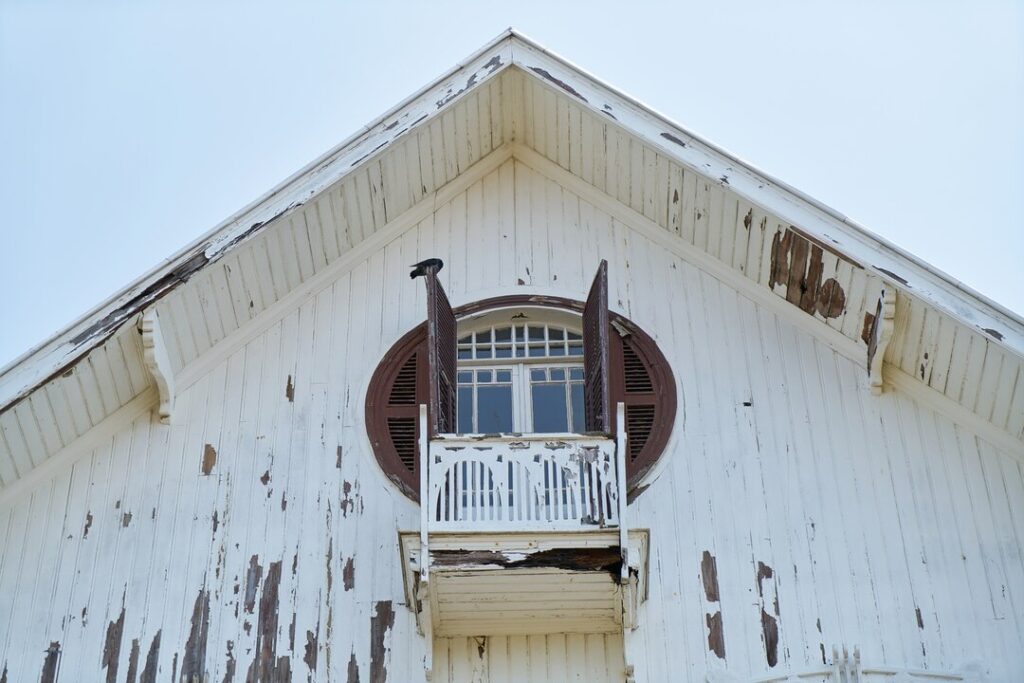
When strong winds hit a neighborhood, the damage can look obvious. Shingles land in the yard, fences lean a little more than they used to, and tree branches end up where they shouldn’t be. But not every problem is out in the open. Sometimes the biggest issues are the ones hiding just below the surface. A few dents in the gutter or a missing roof tile might not seem like much, but they can lead to bigger problems inside the home. That’s why wind damage restoration often starts with looking past the surface.
We’ve seen how windy seasons can leave behind more than just a mess. If we wait too long to check the whole structure, small signs might turn into serious repairs later. Fall winds can stir up issues that stay hidden until rain follows, or colder nights start pulling on already-weakened spots. Knowing what to watch for helps us stay one step ahead of damage before it spreads.
Damage You Can See vs. What’s Really There
Right after a strong wind, the most noticeable damage usually shows up first. Maybe it’s a few jogged shingles, a fence post that looks crooked, or a porch umbrella that didn’t survive the gusts. But the problems that matter most sometimes hide behind the walls or underneath thinner parts of the roof.
• Dented gutters or loosely hanging pieces of siding might point to deeper issues with how water flows off the home.
• Wind-driven rain often gets pushed into cracks or behind siding where we can’t see it, setting up quiet spots for water to collect.
• If outdoor walls or fences look a little off, that might mean the soil base shifted or deeper parts of the structure took the hit.
We don’t always expect wind alone to do serious damage, but sharp gusts over time wear down edges, lift shingles, and break surfaces we thought were solid. Those signs may not always feel like a big deal at first, but they can be a preview of what’s going on behind the scenes.
How Hidden Damage Causes Bigger Problems Later
Not all damage shows up the day the wind hits. Sometimes problems take a while to reveal themselves. A lifted shingle might not cause trouble right away, but it leaves a space for rain to seep in next time the weather turns. That kind of slow leak can become a real mess over the next few weeks.
• Tiny openings in the roof let in moisture, which often leads to warped boards or soggy insulation.
• Pests and bugs find those cracks too, especially if indoor heat or leftover food is waiting inside.
• When moisture sets in, it quietly spreads into walls or ceilings. You might catch the smell before you ever see water stains or bubbling paint.
If repairs don’t happen early on, what started as a minor roof issue could become a case of mold down the line. And once damage like that gets settled in deep spaces, the cleanup takes a lot longer and usually requires professionals to uncover everything.
Fall Wind in Southern California Isn’t Always Gentle
By November, Southern California is still dealing with changing weather. Drier air starts creeping in, but we’re not done with wind. The Santa Ana winds can show up quickly and hang around for days. These winds are not just breezy, they’re strong and dry, and they carry dust, debris, and stress for homes that have been sitting in sun all year.
• Strong gusts lift roofing tiles, shake loose boards, and blow around sharp objects that bruise siding or windows.
• The drier fall air can shrink wood or expose cracks that were hidden during warmer, humid months.
• Even on calm days, the leftover strain from past winds might leave house materials weaker heading into winter.
It’s easy to think that without rain, wind won’t do much. But high-speed gusts take a toll on even the strongest-built homes when they keep happening over time. The damage just isn’t always where we expect it.
At SoCal Best Restoration, our wind damage restoration teams serve all of Orange County and Southern California, using digital moisture meters and thermal cameras to detect hidden leaks and provide year-round repairs, emergency board-up, and claims assistance.
When It’s Time to Ask for a Real Inspection
There’s a difference between noticing a problem and knowing how deep it goes. Some issues don’t show up until someone with the right tools or experience takes a closer look. We usually get curious when something feels off, like a new draft in a room that used to stay warm or extra hallway noise when the wind picks up.
• If the house sounds different during gusts than it did before, it might mean a vent or shingle shifted out of place.
• Granules from the roof showing up in the gutters or near the edges of the house are a small way of showing wear.
• If new indoor drafts or oddly cold spots appear without a clear source, there could be gaps in the home’s shell caused by wind.
Some damage can be spotted from the sidewalk. But the deeper signs hide in corners, above the ceiling, behind the siding, or under the home. That’s when it makes sense to bring someone in who knows how wind damage spreads so it doesn’t keep growing unnoticed.
Stay Safer by Not Waiting It Out
Even when wind damage feels minor, waiting too long to take a close look might turn a simple fix into a much bigger problem. A few pulled nails or bent shingles may not seem urgent, but they open the door to moisture, pests, and warmer indoor air slipping out just when cooler air rolls in.
Staying safe during wind season isn’t just about cleaning up the backyard and sweeping debris. It’s about paying attention to the less obvious signs and acting early when something feels different. When fall winds pick up, small changes in the way your house sounds, feels, or looks might mean it’s time to check a bit deeper. Recognizing the need for wind damage restoration before things spread helps keep the structure steady heading into winter.
When your home shows unexplained signs after strong winds, it’s smart to trust your instincts, what seems minor can sometimes hide bigger issues within walls or under the roof. We help homeowners identify problems early and know what to look for before colder weather arrives. To see how we provide thorough and reliable wind damage restoration, contact SoCal Best Restoration today.