
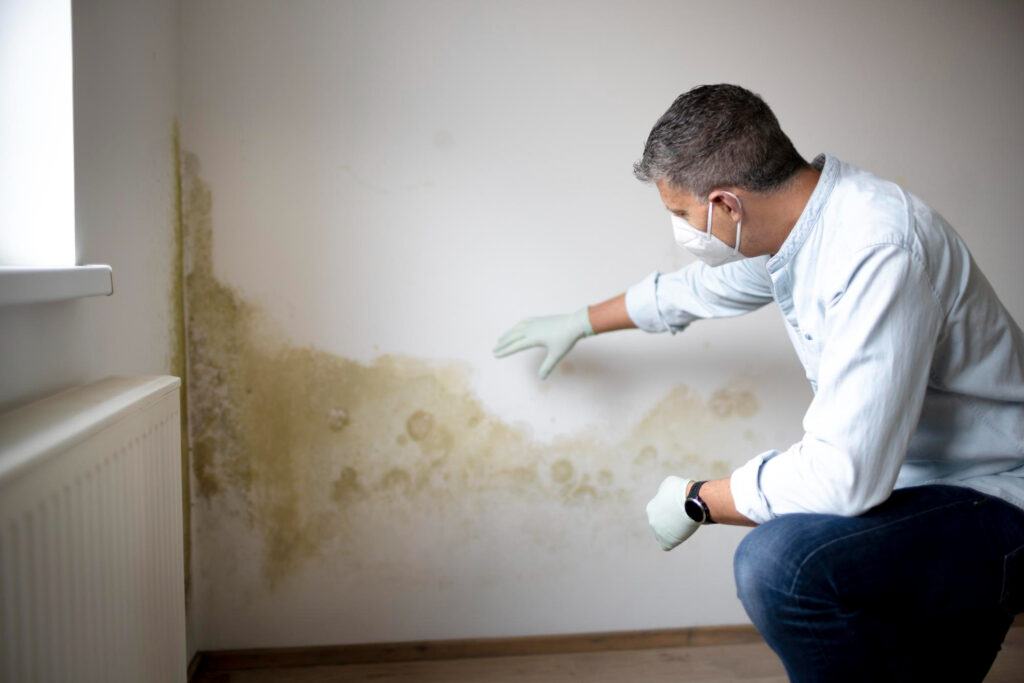
Mold has a sneaky way of showing up faster than expected, especially in Southern California homes. One moment, things look fine. Then suddenly, there’s a musty smell in the hallway or strange spots near the ceiling. It’s easy to feel caught off guard, but there’s usually more going on in the background. Fall weather around here doesn’t always feel like fall. Warmer days linger, and leftover moisture from summer often hangs around longer than we’d like.
That’s why mold damage remediation becomes important. By the time the signs are clear, mold may already be growing behind drywall or spreading inside places we can’t see. The mix of heat, humidity, and closed-up spaces creates just the right conditions for mold to move quickly. Let’s look at what makes this region different and how we can stay one step ahead of the problem.
What Makes Southern California Homes Prone to Mold
Even in November, Southern California doesn’t get the kind of crisp fall air other places might expect. Many neighborhoods still see warm afternoons paired with moisture that rolls in from the coast. We get cool nights, coastal fog, and the occasional burst of late-season rain. When all that happens together, it gets harder for things inside the home to fully dry out.
Another reason mold moves fast here is how homes are built. Many houses are sealed up tight to keep summer heat out, which can trap indoor moisture and block airflow. Ventilation plays a big part in how well damp areas recover. If air stays still, even freshly built homes can develop mold trouble. In places where air isn’t moving freely, like attics or crawl spaces, the risk rises even more.
So when conditions outside stay warm and humid, and indoors stays closed in, mold has the perfect mix to take hold.
Common Places Moisture Hangs Around After Summer
Summer might be over, but the moisture it brings can stick around long after. Some spots in your home could still be holding on to damp air or water from warmer months, especially if they don’t see much sunlight or airflow.
• Bathrooms and laundry rooms are big trouble zones. They’re used often, and without strong ventilation, the air stays heavy with moisture.
• Small leaks in the roof, near windows, or around old pipes might not seem obvious. But over time, those tiny drips soak into walls and ceilings, setting up quiet places where mold can grow later.
• Garages, parts of the basement, and guest rooms that stay closed most of the time tend to trap dampness from the summer. These areas often go unnoticed until the smell or sight of mold finally starts to show.
Checking these areas after the weather shifts is one of the easiest ways to catch mold trouble before it spreads.
How Mold Can Grow Quickly in Hidden Places
The thing about mold is that it doesn’t need very much to get started. Just a little trapped water behind a wall or under floorboards, and it begins spreading silently. You don’t even need a visible puddle. Damp sections under paint or inside drywall often go unnoticed for weeks.
As outside temperatures drop and we start warming up the inside of our homes, the mix of hot and cool air creates condensation. That’s another quiet way moisture collects behind walls or on windows that stay closed most of the day.
Without airflow, that little bit of wetness sticks around longer. Now, add heavy furniture against the wall or packed closets, and there’s almost no way for air to pass through. These are the kinds of spaces mold looks for, a hidden corner where no one checks and nothing dries out properly.
What Mold Damage Looks Like When It Moves Fast
Some signs of mold are easy to spot. Others creep in quietly. Either way, when it shows up fast, it usually means moisture has already been hanging around for a while.
• Walls can start to bubble or change color in patches. It might look like paint flaking or wallpaper lifting for no clear reason.
• That musty or damp smell that doesn’t go away, no matter how much air freshener is used or how often the windows are opened, is often mold hiding out behind the walls.
• People living in the home might find themselves sneezing more or feeling congested, even though the house looks neat and clean. That can mean mold spores are in the air, even if the mold itself isn’t visible yet.
By the time these signs appear, mold damage can be more than surface deep. That’s when it helps to get a clear look at what’s going on behind drywall or inside closed-up rooms.
Why Timing Makes Mold Remediation More Urgent in Fall
Once November hits, we’re in a season where mold tends to move faster. Hot days are fewer, but warm indoor air meets leftover humidity from summer. That mix creates the kind of slow-drying conditions that mold can use to get busy behind the scenes.
At the same time, people start spending more time indoors. Windows stay closed longer. Heaters go on earlier in the evening. Air stays trapped. All of this makes it easier for mold to spread without anyone seeing it.
That’s why mold damage remediation becomes more urgent as the weather changes. If we wait until the signs are strong, the cleanup becomes much more involved. Fall is the right time to get ahead of it before homes tighten up for the winter.
As a licensed and insured provider in Orange County, SoCal Best Restoration uses moisture meters and infrared technology to identify hidden mold, and offers complete mold removal, structural drying, and air quality treatment for homes across Southern California.
Stay Ahead of Mold Before It Gets Worse
Mold doesn’t always look dramatic at first. Sometimes the clues are small, just a little discoloration near the baseboards or a faint smell in the hallway. But when fall brings in both leftover heat and cool nights, those signs can grow quickly if ignored.
We’ve seen how everyday habits, like closing up a room or running a dryer in a tight space, can kick off the kind of damp atmosphere mold likes. That’s especially true in this part of the country where the weather doesn’t cool down as fast.
Knowing where to look, and when, is how we stay ahead of the problem. Keeping airflow steady, checking common moisture spots, and paying attention to new odors or changes in the walls go a long way. Southern California homes may carry more moisture through fall than it seems. That can make mold show up sooner than anyone expects.
Noticing lingering moisture or a room that just doesn’t feel right could be a sign that mold is starting to take hold. We know how fast mold can spread once the conditions are right, especially when temperatures shift and air circulation is limited. Addressing the problem early can save you time and prevent costly damage. To learn more about how we approach mold damage remediation in homes across the area, reach out to SoCal Best Restoration today.