
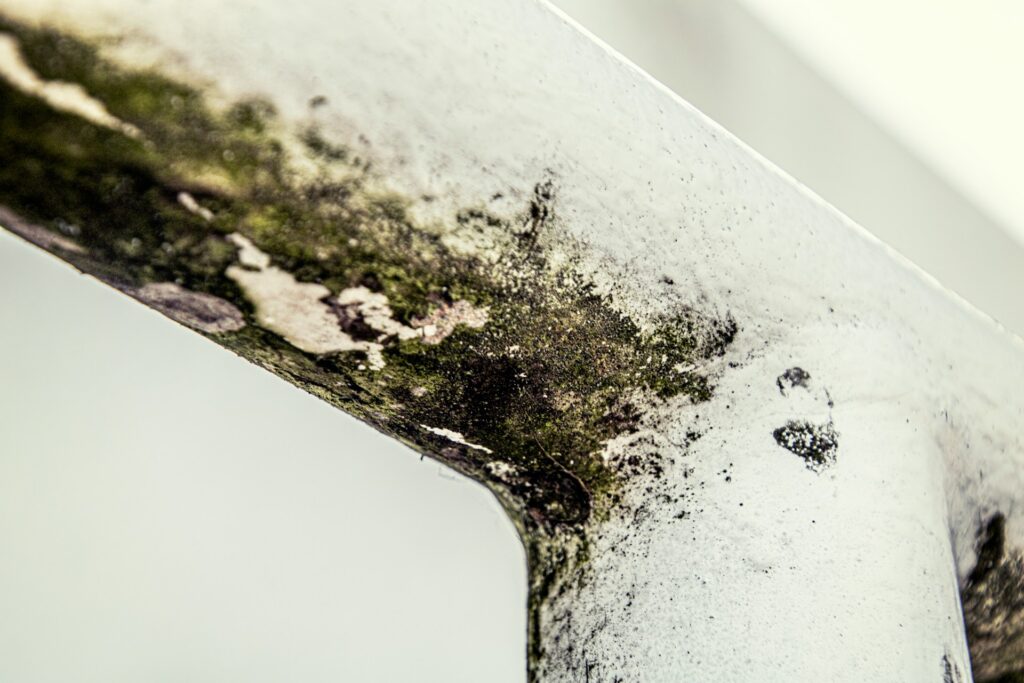
When it rains, most of us think first about wet driveways or dripping gutters. We do not always consider what is happening behind the walls of our homes. Water can sneak in quietly, especially during heavy storms or back-to-back rainy days. If that moisture does not dry out the right way, it can set off a chain of problems we will not notice until much later.
Walls that get wet from rain might appear to dry out, but underneath the surface, things can stay damp for much longer. That leftover moisture can lead to more serious issues like mold. Knowing how this starts and what signs to look out for can help you catch trouble before it grows. No matter the type of property, seeing the link between wet walls and mold helps you decide when it is time to take that next step and consider water damage restoration.
Why Rain Can Soak Through More Than You Think
Rainwater does not need a huge opening to get inside. In fact, it often enters through small issues most people do not think twice about.
• Older roofs or missing shingles can let water drip down into attic spaces or wall cavities
• Gaps between windows and siding or cracks around frames can act like funnels during a downpour
• Cracked stucco or worn flashing can let rain sneak behind surfaces
Once inside, the water may spread through insulation, wood framing, and drywall before it has a chance to be noticed. You might spot a faint stain or feel a soft section of wall, but what lies deeper often stays hidden until it becomes a problem. Unlike something you can wipe up with a towel, this type of moisture needs more than just time and airflow to fully dry out.
What Happens When Moisture Stays Inside Walls
When dampness lingers, it creates the perfect space for mold to grow. Mold does not need a puddle to form. A slightly wet spot, out of view, in a place without strong ventilation, can be enough.
Consider what is inside a typical wall:
• Layers of wood framing and pressed board, both of which soak up moisture
• Insulation that holds onto dampness like a sponge
• Drywall that may dry on the outside but trap water deeper inside
Even if the surface seems fine to the touch, hidden moisture might still be active underneath. Mold spores in the air search for damp spots like these. Once they land and settle in, they grow quietly without much sign at first. Surface drying will not always fix what is happening behind the paint.
Warning Signs You Might Not Notice Right Away
One challenge with water damage from rain is how slowly the signs develop. You will not always get an obvious leak or a soaked floor. Instead, you might see things change little by little.
• A wall starts to look a little off-color or slightly warped
• Paint begins to bubble or peel for no clear reason
• A musty, earthy smell lingers even after cleaning
Mold may also get its start behind couches, shelves, or kitchen cabinets, areas we do not check that often. By the time the signs are clear, the mold may already be spreading through the wall. When this happens weeks after a rainy stretch, it is easy to miss the connection. That is why catching dampness early makes a big difference.
Why Quick Action Matters More in a Humid Fall
Fall is more than cooler temperatures. In many parts of Southern California, October weather can stay humid, especially after rainy days. This humidity makes it harder for damp materials to dry naturally.
Warm indoor air mixing with cool, damp walls creates the kind of slow-drying environment mold likes. Stuffy rooms without much airflow, like closets or laundry rooms, tend to trap that moisture inside even longer. This is how small problems go unnoticed until they grow, and why fall is a risky time to wait.
For problems caused by rain inside walls, drying what you can see on the surface is not always enough. That is where water damage restoration comes into play. Handling the deeper problems early helps prevent them from spreading or becoming harder to fix later.
The Hidden Trouble Mold Can Create Indoors
When mold forms in wall cavities or crawl spaces, it might not be obvious right away. Over time, it spreads, and the effects become harder to ignore. The biggest issue is not just about how it looks, it is about what it might do to the air inside your home.
• Mold spores can spread into other rooms through vents or cracks between walls
• People with allergies or breathing issues may begin to feel worse without knowing why
• Hidden mold often leads to repeated smells or stains, even after surface cleaning
Scrubbing the outside of a wall may remove discoloration, but it does not fix what is still growing behind it. To stop the problem, the moisture must be removed from the source, not just the parts we can reach easily.
Stay Ahead of Mold by Spotting Rain Damage Early
When the weather turns damp and the air gets heavier, wet walls from rain should not be ignored. The quiet spots, behind insulation, near corners, around windows, are easy places for water to hide. That hidden moisture might not seem like much right now, but a few weeks later it can lead to stains, odors, or visible mold.
We do not always see rainwater as a risk once the skies clear, but what sticks around inside our homes can do just as much harm. Humid air mixed with hidden water damage creates the right setting for long-term trouble. Catching those early signs and knowing where to look keeps small problems from becoming bigger ones.
As a licensed and insured restoration company, SoCal Best Restoration uses moisture meters and infrared cameras to check for trapped dampness inside walls, then provides full water extraction and structural drying services to help Southern California property owners recover. Our certified team responds 24/7 throughout Orange County, handling water damage and mold remediation with precision and care.
By paying attention to small leaks, soft spots, or changes in smell, we can help protect both our spaces and the people inside them. Paying attention, especially during the fall rain season, can make a big difference in keeping your home clean, dry, and mold-free through the coming months.
Noticing signs of trapped moisture after a rainy spell or persistent musty odors can be early indicators of hidden issues behind your walls. These subtle clues often lead to bigger challenges if left unchecked. At SoCal Best Restoration, we have seen how quickly a minor concern can grow into a tougher problem. If your property might benefit from water damage restoration, act soon so we can address the issue before it becomes more serious.